NDR Systems -

Network Detection and Response

What is NDR?

NDR is the core of network traffic protection. It combines advanced analytics with full visibility into an organization’s internal infrastructure. It effectively identifies issues related to misconfigurations, security policy violations, performance drops, and emerging attack techniques.

NDR as a mandatory complement to an IT security strategy

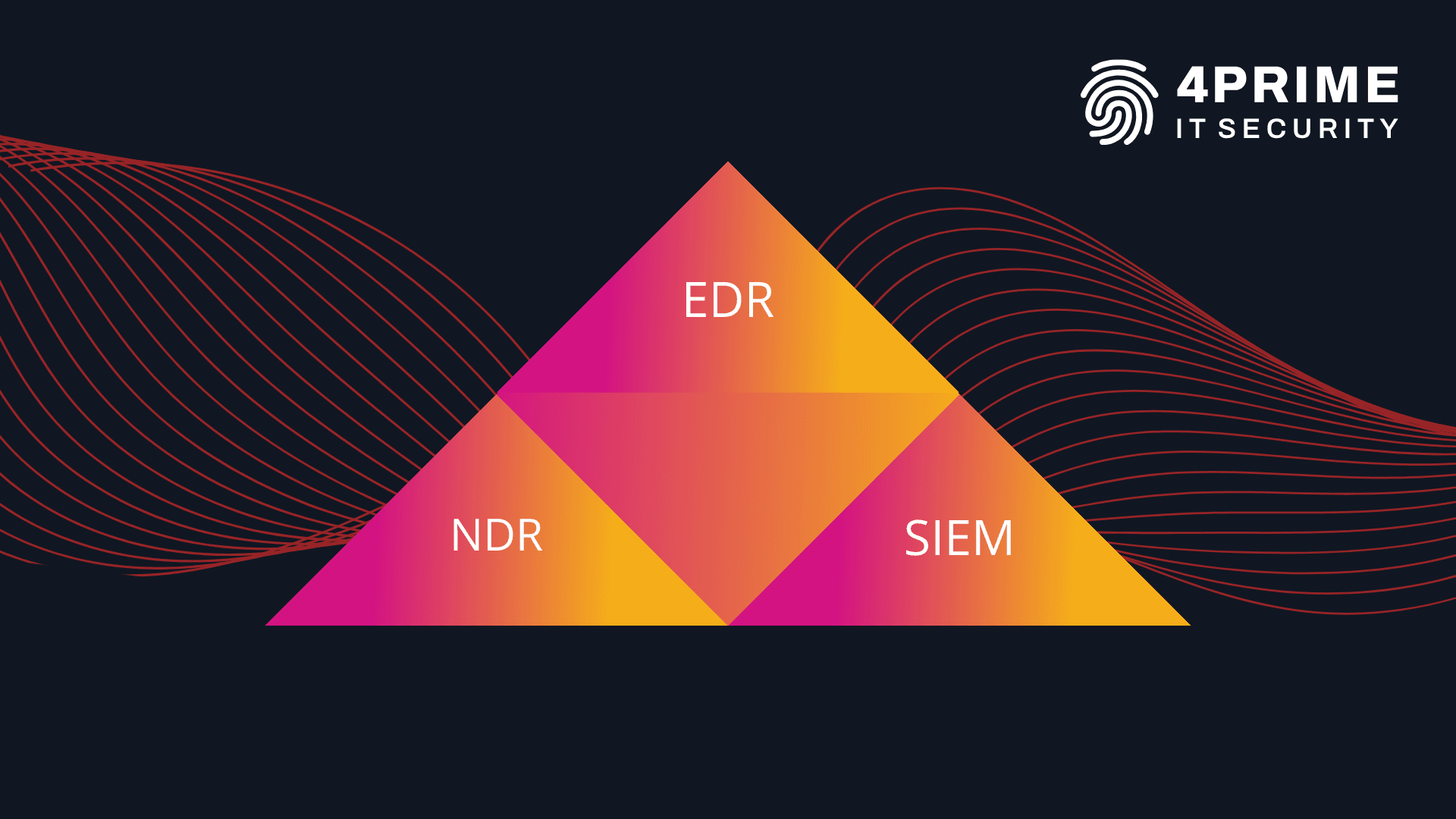
In conversations with our clients, we often emphasize that EDR systems address about 70% of attack techniques described in the MITRE ATT&CK framework.

To cover another 20%, organizations should consider implementing an NDR system. NDR monitors all network traffic in real time, enabling the detection of suspicious activities such as unusual connections or sudden, large data transfers.

By using signatures and heuristics, NDR identifies attack techniques including lateral movement and data exfiltration. Building detailed user behavior profiles and collecting rich network telemetry makes it possible to detect unauthorized activities, while integration with other security tools—such as EDR and SIEM—provides a comprehensive view of threats.

NEED AN NDR SOLUTION? GET IN TOUCH WITH OUR TEAM

NDR system features

Full network telemetry storage
NDR systems significantly improve incident response effectiveness by building threat detection models using AI and Machine Learning (ML).
Network flow analysis
By working on a copy of network traffic, NDR systems collect up to several hundred different metadata fields from observed flows. They detect advanced threats originating from both internal and external networks.
Full visibility
NDR systems enable in-depth threat analysis thanks to their ability to visualize the network environment.

Implementation services for modern NDR solutions from our partners

We have the most extensive experience in the market in implementing NDR systems, supported by the delivery of demanding deployments in complex, international environments. This enables us to tailor the solution to the specific needs of each organization, ensuring effective protection against real-world threats.


Greycortex
Fidelis Security
null

SOC service based on EDR and NDR systems

As the SOC360 team (Security Operations Center), we work with EDR/XDR and NDR tools. EDR solutions enable our analysts to precisely track events occurring on endpoints and respond quickly to incidents—for example, by immediately stopping malicious processes and isolating them in quarantine.

Because NDR systems monitor network traffic, they allow us to detect events that may have been missed by other tools.

We also frequently correlate data from different systems using SIEM platforms, which play a complementary role in our operations.

In addition, we have a laboratory for detonating and analyzing suspicious files whose functions and purposes are unknown, as well as a lab for testing new technologies so we can evaluate new systems before deployment.

We are also supported by a development team that customizes ticketing systems, builds automation, and writes scripts that assist in incident analysis and internal data processing.

Learn about SOC360

FAQs

It doesn’t have to be. Modern NDR solutions are designed so that deployment is fast and as non-intrusive as possible. In many cases, it is enough to start analyzing a copy of network traffic (e.g., from SPAN or TAP ports) without interfering with the existing infrastructure.

In addition, many organizations choose NDR as a service (MSSP), which means that configuration, monitoring, and technical operations are handled by an external team of specialists (in our case, SOC360). This allows companies to benefit from advanced threat detection without having to build and maintain their own SOC.

The main questions you should ask yourself are:

  • What kind of visibility and/or protection do I want to achieve? Web applications? User connections to the Internet? Client–server communication? OT environments? Email?

  • What is my main goal? Protection against ransomware? Detection of network anomalies? Malware protection? Monitoring user activity?

  • Do I already have other security tools, or am I starting with NDR technology?

  • Do I want NDR to actively block threats (in-line), or mainly monitor in detail and mitigate threats using other tools?

Once you know the answers to these key questions, you can dive into the details:

  • Is my environment protected with encryption and network segmentation (VLANs)? If so, where is it applied and how does it relate to other parts of the network?

  • Do I use VPN connections? If yes, where are they used, for what purpose, and where are they terminated?

  • How many locations do I want to monitor?

  • What is the daily volume of network traffic in the locations I want to monitor?

  • In the locations where I want to monitor and respond to threats, do I have the ability to copy network traffic on switches or firewall devices (SPAN ports)?

  • Do I have someone on my team who can handle monitoring using NDR, or do I want to outsource monitoring to an external company?

  • What is the daily traffic volume in the locations I want to monitor?

  • In the places where I want to monitor and respond to threats, do I have the ability to mirror network traffic on switches or firewall devices (SPAN ports)?

Read more

The attack on your company could have started a month ago.

Check how you can secure your organization today.